Empower Your Journey: Navigating Cancer Care and Support for Survivorship
Facing cancer is a path that no one wishes to walk, but for those who do, the journey can offer profound insights and transformative experiences. It's a journey that demands resilience, strength, and, above all, the right resources. As we delve into transforming your health after dealing with cancer, we’ll explore essential resources for cancer survivors that pave the way toward not just surviving, but thriving. How do you turn the fear of a malignancy diagnosis into a stepping stone for personal growth? Let’s find out together.
Navigating the world of oncology can be daunting, especially after receiving a diagnosis of carcinoma or other forms of tumor-related illnesses. However, understanding your health and wellbeing begins with education. Patient education is the foundation of managing your health post-diagnosis. Familiarize yourself with the symptoms and potential treatments. Seek information about evidence-based treatment options, available clinical trials, and insights from medical research. Remember, knowledge is power. Imagine standing on a pathway lined with resources that empower you to make informed decisions about your wellness and self-care.
Self-care is not just a buzzword; it is a vital component of survivorship. Following a cancer diagnosis, implementing lifestyle changes can reshape your health trajectory. Incorporate holistic health practices into your daily routine – consider mindfulness meditation, physical activity tailored to your capabilities, or finding joy in creative outlets. Ask yourself: What small changes can I embrace today to foster a more balanced and enriching life? Explore community resources that focus on nutritional support, and discover how certain foods can bolster your immune system and promote healing.
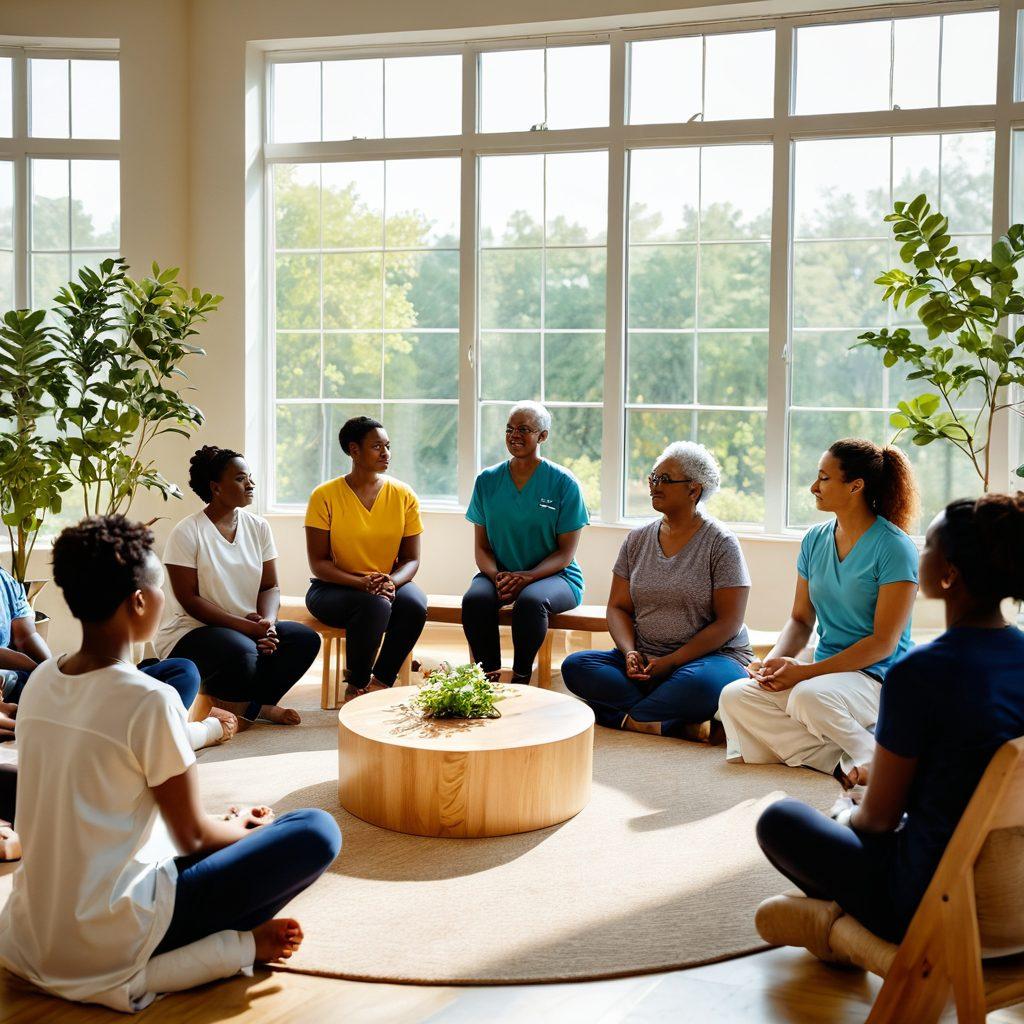
The emotional toll of living with cancer cannot be underestimated. Support groups offer a nurturing environment where survivors can share their stories and coping strategies. Connecting with others who have walked similar paths can accelerate healing and empower self-advocacy. What would it feel like to share your thoughts and fears in a safe space where others truly understand? Sharing survivor stories can lighten the burden and provide evidence that hope, resiliency, and camaraderie exist even in the darkest times. Find comfort in knowing that you are not alone as you navigate this journey.
Lastly, embrace the journey of survivorship as one of continuous growth. Engage in patient advocacy by sharing your experiences and ensuring that socioeconomic factors do not hinder others from receiving effective cancer care. By voicing your journey, you become a beacon of hope for others in the community facing similar battles. As you make strides in transforming your health, reflect on this: How can you inspire others as they seek their path toward healing? Remember, each step you take is not just for you; it’s a testament to the strength we all share in overcoming cancer.
Navigating the Complex World of Oncology: From Diagnosis to Support
Navigating the complex world of oncology is a journey that many of us never expect to undertake. The moment a doctor tells you that your tumor is malignant, your world shifts on its axis. Suddenly, terms like carcinoma, survivorship, and treatment options—from therapy to clinical trials—become part of your everyday language. If you or a loved one finds yourselves in this emotional and physical labyrinth, you aren’t alone. This blog aims to demystify the intricacies of cancer care and support, providing resources and insights to help you confidently advocate for your health. As Helen Keller once said, "Alone we can do so little; together we can do so much," and this rings particularly true in the realm of cancer care.
The first crucial step is understanding the symptoms leading to a diagnosis. Early detection can significantly improve outcomes—a fact supported by numerous medical research studies. When discussing symptoms, be vigilant: unexplained weight loss, persistent fatigue, or unusual lumps deserve your attention. Once armed with a diagnosis, the next phase is understanding the various management strategies available; these could include standard therapies or innovative evidence-based treatments. A key question to ask yourself is, "What should I be aware of in navigating my oncology journey, and how can I become an active participant in my cancer care through patient education?"
Let's not forget the role of supportive communities in your journey. Joining a support group can be a game-changer, providing coping strategies and emotional backing throughout your treatment. These groups can connect you with others living with cancer who are willing to share their survivor stories—stories that can empower you and serve as a reminder that hope exists. Community resources like local wellness programs or nutritional support initiatives can be essential in promoting holistic health. Besides fostering lasting relationships, these resources can guide you in making lifestyle changes that can support your healing process during therapy and beyond.
It's also vital to discuss the socioeconomic factors that may impact your cancer care and survivorship. Affording treatment should never be a barrier to accessing vital healthcare services. Patient advocacy becomes pivotal, ensuring that you receive grace and equity in medical care—no matter your financial situation. Connecting with social workers or non-profit organizations that focus on aiding individuals with malignancy can alleviate some of your burdens, providing both logistical support and emotional encouragement. Remember, advocating for yourself isn’t just about accessing care; it's about fostering a sense of empowerment and community.
As you navigate the winding road of living with cancer, never underestimate the power of self-care. From mindfulness exercises to physical activity suited for your abilities, every small lifestyle change can positively influence your journey. Make it a priority to check in with yourself: How am I feeling emotionally today? Am I taking time for coping strategies that replenish my spirit? Wellness doesn’t only pertain to physical health but also includes nurturing your mental and emotional well-being. The path ahead may seem daunting, yet when equipped with knowledge, community resources, and unwavering self-advocacy, you can confidently take it step by step, knowing you are not alone in this fight.
Empowering Patients: Wellness Strategies and Community Support in Cancer Care
Navigating the complex landscape of cancer care can feel like an uphill battle, but as patients and loved ones, empowerment is at the heart of the journey. The world of oncology is vast, where understanding your illness, be it a malignancy or carcinoma, is essential for effective care and survivorship. Have you ever wondered how strategies related to wellness and community support can make this journey more manageable? Let's unpack these concepts together in this clinical exploration of cancer survivorship and patient advocacy.
Imagine standing at the crossroads of your diagnosis, facing the weight of symptoms and a treatment path illuminated by knowledge. This is where patient education becomes a powerful ally. As you navigate through various treatments, from therapy to clinical trials, it is crucial to educate yourself on your specific cancer type—whether it’s a particular tumor or a broader category of illness. As Dr. Paul Kalanithi once said, "Even if I didn't know what the future held, I could create a meaningful present." When patients are informed, they can advocate for themselves and make empowered choices about their healthcare.
Wellness strategies play a pivotal role in cancer care, often extending beyond the traditional boundaries of medical treatment. Integrating holistic health practices into your routine can be a game changer. Think about incorporating lifestyle changes such as nutritious diets, exercise, and mindfulness techniques into your recovery plan. These actions serve not just the body but also nourish the spirit. The connection between nutritional support and enhanced well-being during treatment is not just a notion—it is backed by medical research that emphasizes the importance of being proactive about your health.
Community resources and support groups stand out as vital components of survivorship. Have you sought out local resources that can provide camaraderie and understanding? Sharing your journey with fellow survivors can offer coping strategies that help you manage the emotional and mental toll of illness. These groups serve as a safe haven where you can share survivor stories, gain insight, and uplift one another through the tough days. Remember, it's not just about surviving cancer; it's about thriving amidst its challenges.
As we close this chapter of exploration on wellness strategies and community support in navigating cancer care, remember that the road may be long, but you are not alone. Each step forward gathers strength from the collective voices of those living with cancer. By leaning into evidence-based treatment, seeking out supportive networks, and embracing self-care, you forge a path not just to survive, but to elevate your quality of life. So I ask you: what will be your first step towards empowerment in this journey?